About Sugar Maple (Acer saccharum)
Summary
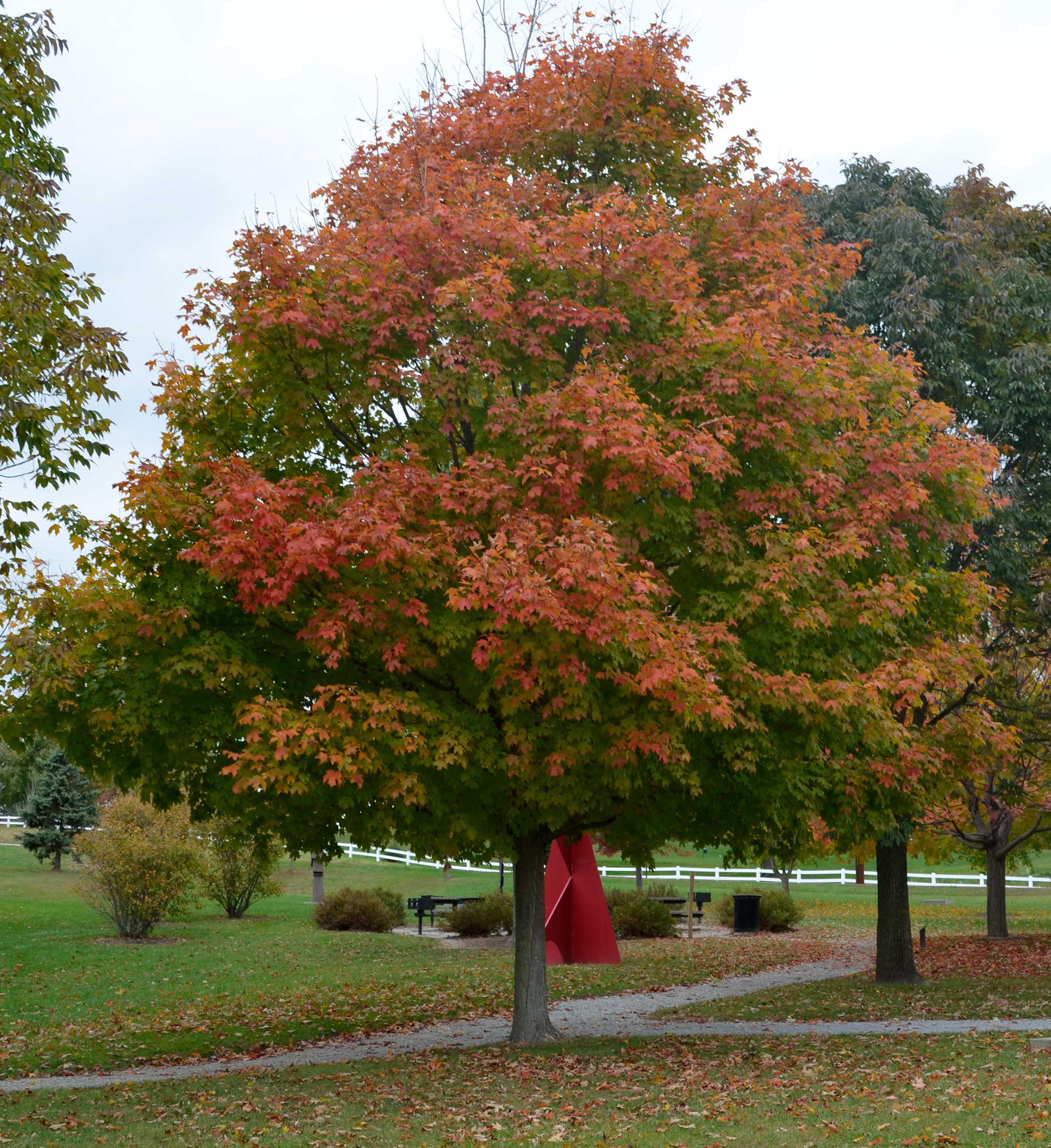
The Sugar maple is a large deciduous tree that is native to eastern North America. Typically reaching 60-75 feet in height, the Sugar maple has a dense, rounded crown and five-lobed leaves which transform into brilliant colors during the autumn. Younger trees have a smooth and gray bark which becomes rough with age. Due to its high Sugar content, the sap is used to produce maple syrup.
Identifying Features
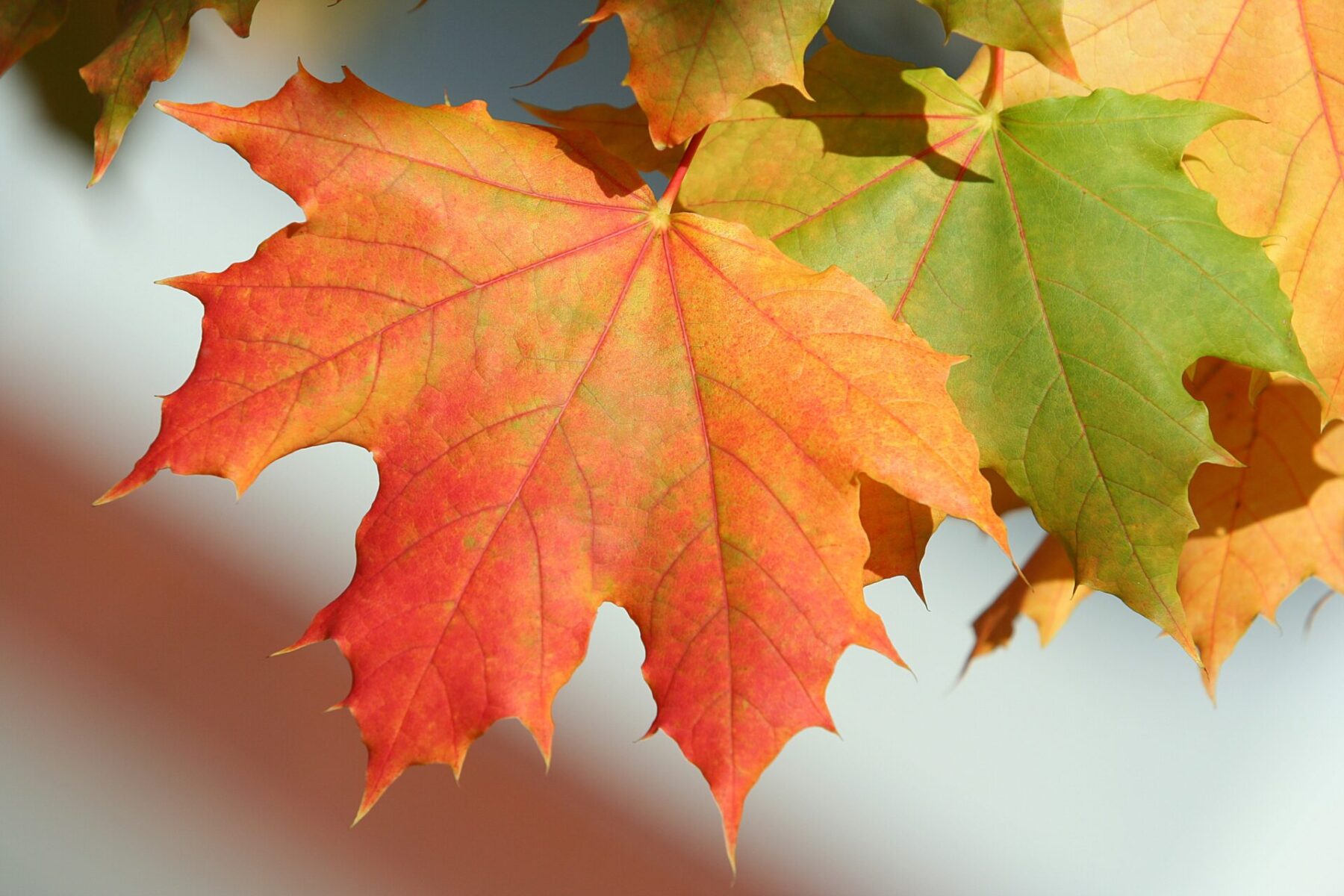
The leaves of Sugar maples are segmented into 5 lobes characterized by sharp points and connected by smooth, U-shaped notches However, some younger individuals might have fewer than 5 lobes. The leaves grow perpendicular (at a right angle) from the twig in pairs, also known as growing in opposite orientation.Tthe leaves will grow in sets of two with one leave always across from another on every twig. Mature leaves will average between 3 and 5 inches, and are equally as wide. Leaves are yellow-green on top and lighter on the underside, and turn yellow, orange or red in autumn.
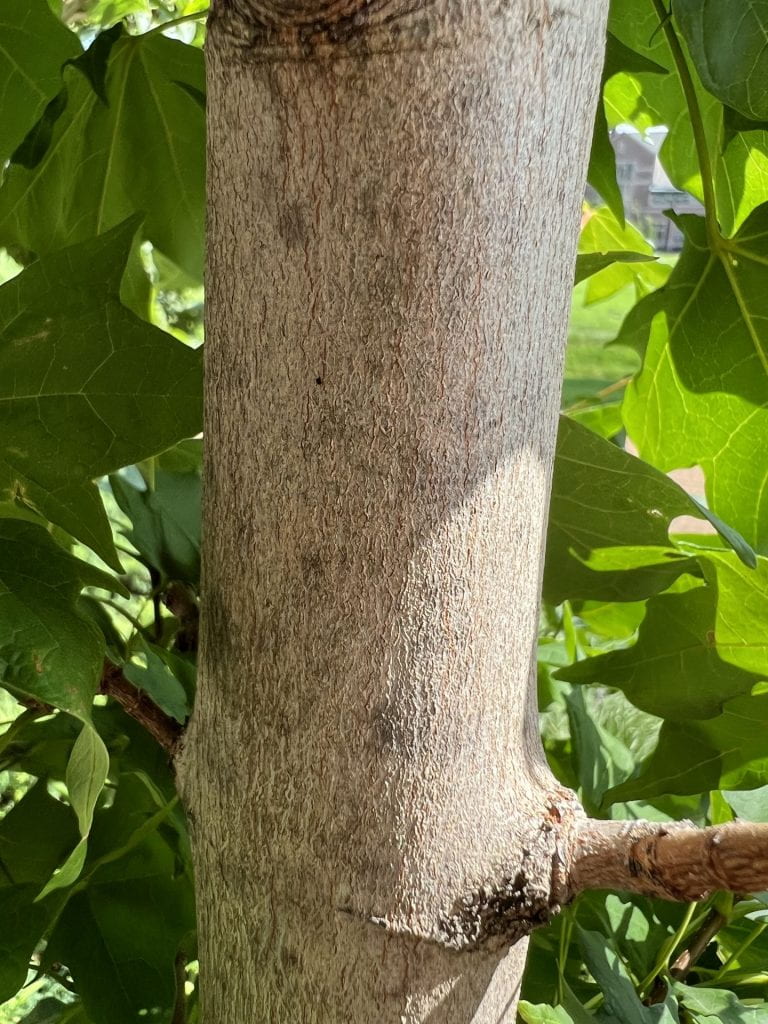
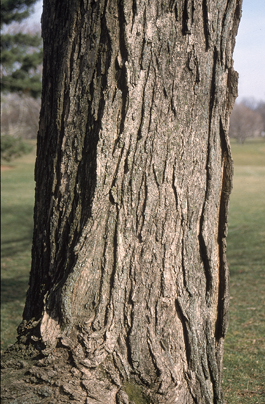
The bark of Sugar maples is brown and furrowed (having deep rifts or valleys between bark plates). The bark of the tree changes with age, with younger trees having grayish-brown bark and mature trees having bark that is a dark brown. The bark has vertical grooves that are closely spaced. They edges of the bark plates will gradually lift as the tree gets older, and the plates will flake away from top to bottom once the tree has reached full maturity.
Bark of a young Sugar maple:
Bark of a mature Sugar maple:
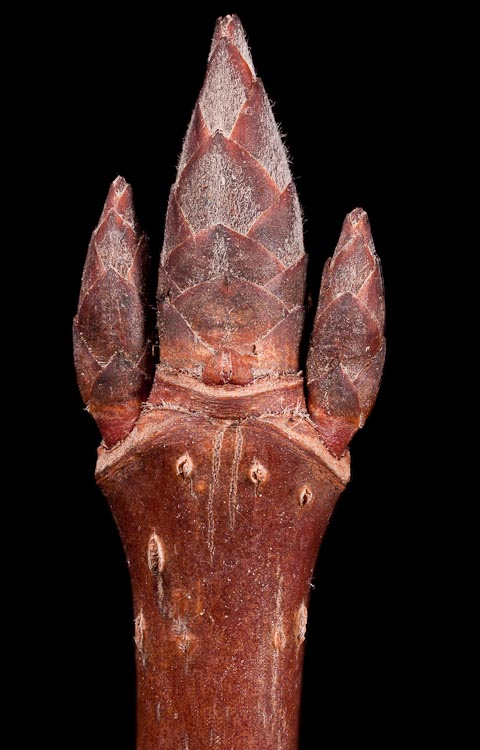
The twigs of a Sugar maple are small and thin, growing out of larger branches and colored a reddish-brown. The small buds at the end of each twig should be colored in tiny brown-colored scales. The buds are useful in distinguishing Sugar maples from Norway maples, a close look-alike, as the buds of the Norway maple are larger and covers in purple scales which form a rounded tip.
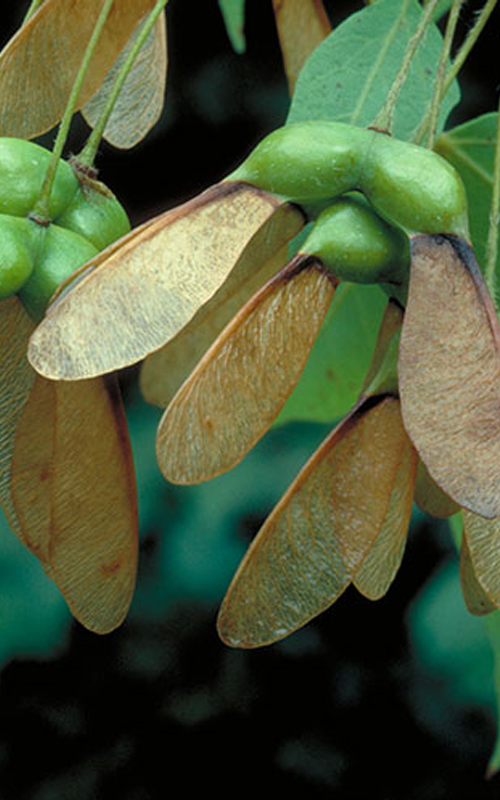
The fruits of a Sugar maple are green, and turn brown in fall. Each fruit has two leaves growing from opposite sides of the fruit, forming a “wing shape” (called a samara), these wings aid in the wind dispersal of the seeds within the fruit. The wings connect at the fruit and are oriented 60 to 90 degrees from each other and the total samara structure should measure about 1 inch in length.
Ecological Services
Sugar Maples are commonly used by many living creatures such as insects, birds and mammals. Sugar Maples filter the air and water, which decreases the amount of pollution in the environment.
Animal Uses and Relationships
- Sugar Maples are a key food source for many animals
- The twigs and foliage of Sugar Maples in NY make up 25-50% of the diet of white-tailed deer
- Porcupines eat sugar maple bark and stems, providing a good portion of their winter diets
- Rodents such as squirrels and chipmunks feed on the seeds, buds, twigs, and leaves
- sugar maples provide early season pollen for honey bees and act as hosts for the Cecropia Silkmoth and Rosy Maple moth
- Many birds nest in the trees, including the American Redstart
Fun Facts
- Sugar maple is the premier species for maple syrup due to its high sugar content sap, it takes ~30-50 gallons of sap to produce 1 gallon of syrup
- The sugar maple leaf silhouette inspired the leaf on the Canadian flag
- Sugar maples typically live 200 years and can grow to over 100 feet tall
- It’s the official state tree of New York
Indigenous History/Uses
- Used the sap for syrup, sugar, and vinegar
- Used the bark and inner bark for medicinal remedies and food processing
Conservation
Currently, the sugar maple is not a threatened or endangered species, and is considered to be globally and nationally secure. However, the looming threat of climate change presents emerging risks, as cold winters are required for proper seed germination. Rising temperatures may push their viable range northward.
References
Trees of the Adirondacks: Sugar maple (Acer saccharum). Sugar Maple | Acer saccharum. (n.d.). https://www.wildadirondacks.org/trees-of-the-adirondacks-sugar-maple-acer-saccharum-Marshall.html?
Michael Simpson, P. (2024, November 29). How to identify Sugar maple trees: 3 easy ways. wikiHow. https://www.wikihow.com/Identify-Sugar-Maple-Trees
Sugar Maple. Missouri Department of Conservation. (n.d.). https://mdc.mo.gov/discover-nature/field-guide/sugar-maple